I've been thinking about putting together this blog for a long time. I know that the memes are meant for fun, though the way some of them are so off the mark really irks me.
While these are not limited to Pride and Prejudice, that work -- primarily as seen through the 1995 and 2005 adaptions -- accounts for most of them. So here are five of them and the reasons they bother me as someone who depends on the primary text for understanding Jane Austen's take on characters rather than on the adaptions.
1. Darcy vs. Wickham
The problem with Wickham vs. Darcy is actually the opposite of what the meme suggests. Wickham is charm personified. Everyone enjoys his company. So he definitely spark a feeling of joy upon meeting. In contrast, Darcy comes across as standoffish and even rude. It is exactly that which makes those who don't know him consider him bad company. It takes a while to come to appreciate him and the honor of his character, and the promise of happiness to be found with him.
2. Barely tolerable
This phrase never appears in Jane Austen's novel. Darcy's flippant response to Bingley's suggestion that he dance with Elizabeth is: "She is tolerable; but not handsome enough to tempt me; and I am in no humour at present to give consequence to young ladies who are slighted by other men."
He doesn't realize that she is able to hear that observation and forms a very unfavorable impression of him on that basis. However, she never reveals that she overheard him, and it doesn't occur to him to think that that it could be the cause of her not receiving him favorably.
The 2005 film adaption rewrites that part of the plot by having Elizabeth reference the line in recommending dancing "Even if one's partner is barely tolerable." And this is what gives rise to people ironically applying that phrase to themselves, and very likely believing they are quoting the novel.
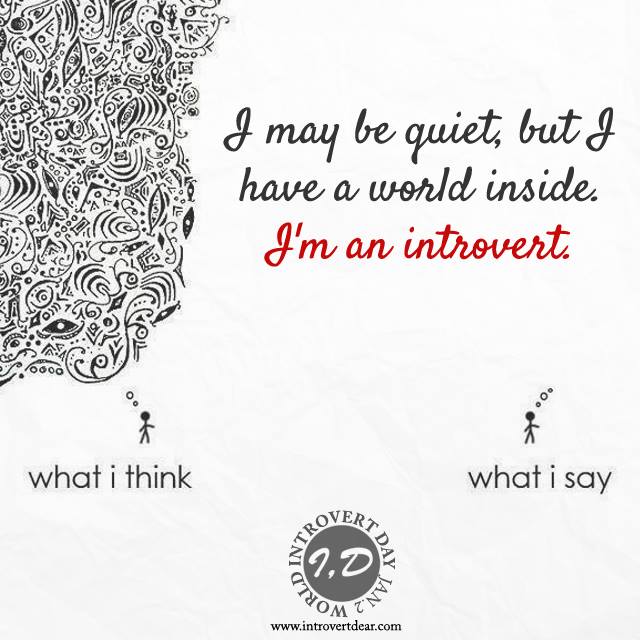
3. Introverts and extroverts
Darcy likely is an introvert, but Elizabeth definitely is not. The awkward stance captured form the 2005 film doesn't reflect Elizabeth feeling introverted but not at ease, as her feelings for Darcy are shaped by her negative impressions of him.
In fact, Elizabeth is one of Austen's most extroverted heroines, as I discussed here:
Jane Austen's Heroines: Ranging from Extroverted Emma to Introverted Fanny. Socializing and small talk comes naturally to her, and she teases Darcy about his conversational and social shortcomings both when they dance and when he approaches her at the piano in his aunt's house. Darcy definitely can count as an introvert, which some people automatically seem to assume means
he's on the spectrum. Honestly, I don't think that Austen intended such an interpretation of her leading man. She seems quite sympathetic to introverted characters who are often misunderstood or underestimated.
4. Why Elizabeth rejects Darcy's first proposal
This meme highlights that what Darcy says about Elizabeth's family has a lot of truth to it. She, too, finds her younger sisters and her mother embarrassing. She also knows -- though she wouldn't admit it at this point yet -- that Mr. Bennet has neglected his duties as a father. But the real reason she rejects him is not because she's in a fit of pique but because she blames him for breaking her sister's heart by convincing Bingley to leave off his courtship of Jane.
5. Wickham's regrets
We know that Wickham doesn't love Lydia and only married her to get a substantial sum of money from Darcy that he needed to pay off his debts. He wasn't thinking about marriage when he ran off with her, and she may not have thought much about it either. That the marriage would sour for both of them is made pretty clear in the text even though Lydia is at first blissfully oblivious. However, there really is no viable choice for Lydia. The only way she and her family could regain respectability was with this shotgun wedding. And things could have been worse for Wickham who will not let Lydia hamper his fun going forward.
6. What Darcy actually said when admitting his love
Just as in the case of "barely tolerable,: Jane Austen never used the phrase "most ardently," which was an invention of the 2005 film and has since been rendered into countless products and even other book titles intended to allude to Pride and Prejudice. What Darcy actually said in the course of the doomed first proposal (Volume II, Chapter 11 / Chapter 34) is this: "In vain I have struggled. It will not do. My feelings will not be repressed. You must allow me to tell you how ardently I admire and love you."
I am not a fan of the shift to "I love you. Most ardently." But what's even worse is that so many supposed Austen fans will think they are quoting the novel accurately. Incidentally, I'm certain that the Darcy in the rain for the 2005 film was its way of coming up with a wet Darcy without outright copying the swim.
7. Confusing the adaption and the book

This meme is actually right about what many people get wrong.
While the devoted fans of the 1995 adaption will claim that it was absolutely true to the book, that is not true. It, too, deviated from the text and invented scenes and actions that Austen would not have dreamt of. Chief among them, of course, is the Darcy in the lake scene. Obviously, that was the director's idea to show a kind of Regency equivalent of taking a cold shower for the Elizabeth-obsessed Darcy and to create an embarrassing meeting between the hero and heroine.
Pride and Prejudice in Job ApplicationsHow "The Other Bennet Sister" subverts narrative convention