Thursday, April 23, 2015

Favorite books from the children's section

My daughter recently finished reading The Orphan Train and declared it to be her favorite book. It certainly is good and worth reading. I'm not sure I would call it my favorite. But I'm not sure I can pin down any single book as my favorite. Among all the books I've read, I'd find it too difficult to select one or even a handful for that distinction. I can, however, give a listing of favorites among children's books that  have much to offer adults as well.

To start, there's  a picture book geared toward the very young: Leo Lionni's Frederick. This fable really encapsulates what's behind capturing and representing experience in literature without getting all theoretical.
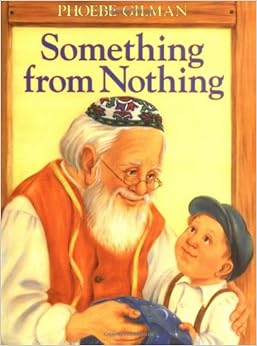
Another book  that touches on a similar theme in a more extended narrative set in the past in a Jewish community  is Pheobe Gilman's Something from Nothing.

While those two works are not as well-known as they should be, my next few selections are likely among the books you have read. They include:
Amelia Bedelia
The Snowy Day (wonderful illustrations)
Madeline
Alice in Wonderland
The Little Prince
A Wrinkle in Time
The Chronicles of Narnia
Matilda (I prefer it to Ronald Dahl's better known and more often adapted Charlie and the Chocolate Factory)
Anne of Green Gables

Not quite as famous, though still classic works include:
All of a Kind Family
The Borrowers
Five Children and It

A few of my favorites have been written relatively recently. They include
Wonder
Frindle
Holes
Everything on a Waffle
The View from Saturday
Note:I tried to keep to books aimed at children 12 and under to limit the list. It would grow a lot longer if I were to include the books marketed to tweens and young adults. Also I may add on more books as I discover or rediscover them.


Related post http://uncommoncontent.blogspot.com/2014/02/notes-on-amazons-100-books.html

Saturday, February 28, 2015

Chocolate variations

Mark Miodownik devotes nearly 20 pages of Stuff Matters: Exploring the Marvelous Materials That Shape Our Man-Made World to chococolate. Yes, chocolate. Though the cocoa beans are a natural product, it takes quite a lot of processing to turn them into the confection popular around the globe. Miodownik warns readers that the bean in its natural state tastes nothing like the chocolate he loves to eat; he's tried eating right off the plant and regretted it.

He then goes through the history of chocolate consumption. It started out as drink made by the Olmecs and then the  Mayans. That brew did not have the sweet taste we associate with hot chocolate today, though. It was rather bitter, which after explorers introduced the drink to Europe in the 17th Century, it proved less popular than coffee or tea.  Adding sugar wasn't enough to make it wholly palatable as the 50% cocoa fat rendered the drink "gritty, oily, and heavy" (83).

It took two centuries for a Dutch chocolate company called Van Houten to come up with a way  of applying  a press to the to remove the cocoa butter from the roasted, fermented beans. The yielded  the cocoa powder that serves as the basis of today's cocoa drinks, as well as the ingredient that goes into chocolate cakes.

Arriving at the solid chocolate made into bars was actually the real of what Miodownik calls "counter intuitive genius: having removed and purified the cocoa fat, and having pulverized the cocoa powder separately, why not mix them back together again, add in some sugar, to create an ideal cocoa bean" (83).  And solid chocolate was born.

He says credit for the first chocolate bars does not go to the Dutch or the Swiss but to an English firm called Fry and Sons. However, the Swiss are credited as the first producers of milk chocolate. With an abundance of milk powder from the Nestle company, they combined two products with long shelf lives to achieve a milder, sweeter chocolate than ever before (84).

 It's the differences in milk that produce different tastes in and for chocolate around the world. Sounding a rather Britishly biased, Miodwonik describes  American chocolate as having a "cheesy, almost rancid flavor." That results from incorporating milk in which enzymes reduce fat.  In contrast, the chocolate in the UK gains a "milder caramel flavor" from the sugar added to liquid milk that is reduced to a concentrate before being added to the chocolate. Europeans still opt for powdered milk, which he says provides a "fresh dairy flavor with a powdery texture" (85).

Generally, one prefers the taste of chocolate of one's native country, and the differences in ingredients do explain the outrage some British ex-pats felt at being denied their Cadbury chocolate in the US, as per the recent Financial Times article "British tastebuds caught in crossfire of chocolate war." It all due to the uncommon content of chocolate on different sides of the Atlantic.

I appreciate your attention and generosity. Tips accepted via Zelle.

If you enjoyed this content, you can support my work with a tip or purchase from my Zazzle store.

If you enjoyed this content, you can support my work with a tip or purchase from my Zazzle store.
Find great gifts and party accessories for literature lovers in all price points.